
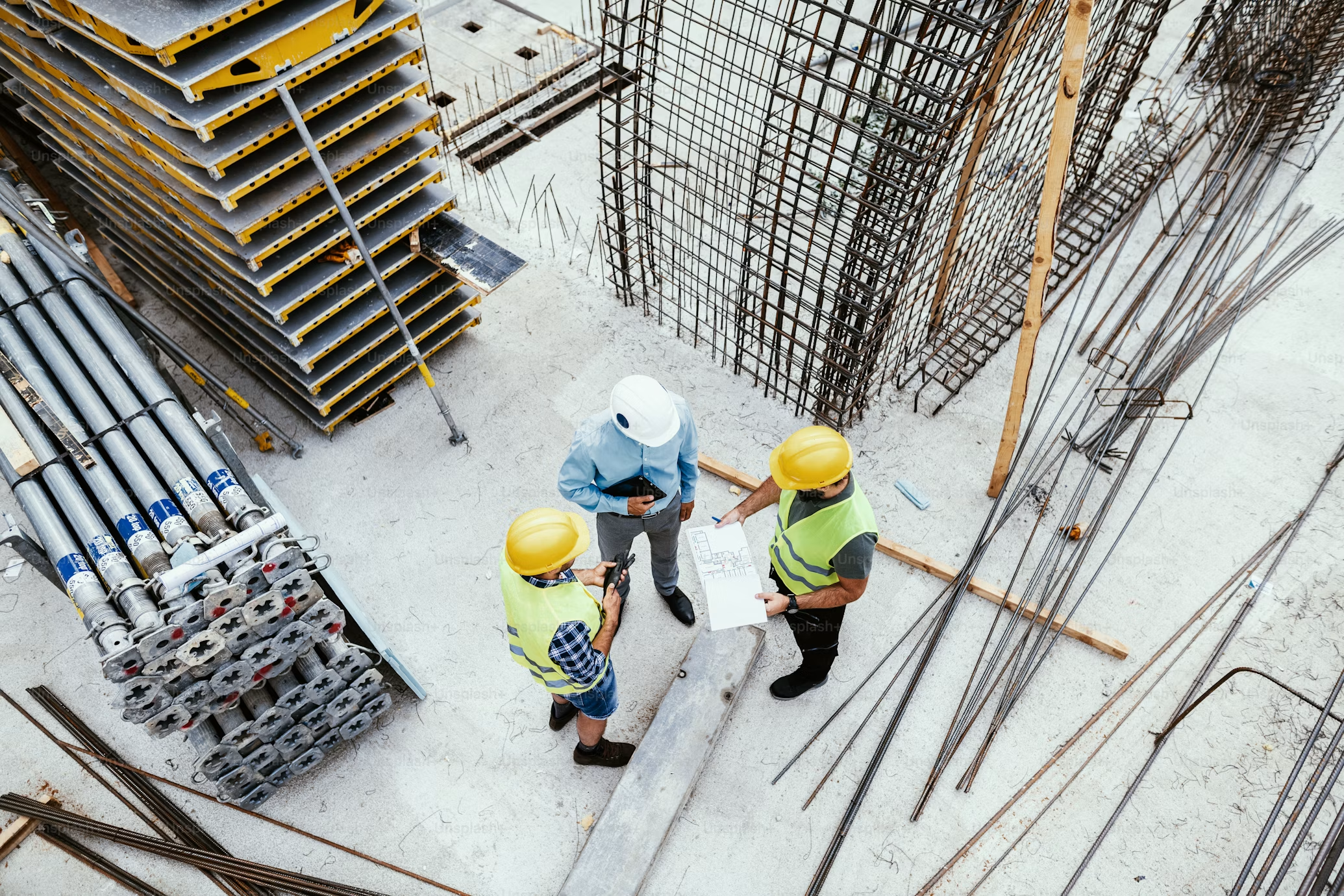
Architects shape many of the conditions that determine how safely a building can be constructed and maintained. By the time work reaches site, earlier design decisions may already have limited the contractor’s options. Considering safety while alternatives remain available gives the project team more opportunity to remove foreseeable difficulty before it becomes part of the construction process.
Deciding how components will be installed
A design detail should be assessed in relation to the work required to build it, not only the appearance of the finished result. Architects should understand the proposed installation method and confirm that it gives contractors a practical way to complete the work without unnecessary exposure.
Professionals working with American clients or delivery teams can take their OSHA certification online to strengthen their knowledge of US workplace hazards and construction safety responsibilities. This knowledge helps architects recognise design choices that could make installation more hazardous. The HSE guidance for designers also explains how foreseeable risks should be addressed through the design process.
Planning safe access for future maintenance
Maintenance access should be resolved during design because difficult access can create repeated risk throughout a building’s service life. Equipment that cannot be reached from a stable working position may force future contractors to improvise every time inspection or repair is required.
Architects should confirm that maintenance routes are practical and that regularly serviced equipment remains accessible. Input from facilities and maintenance teams can reveal problems that are not obvious in drawings, giving the design team an opportunity to correct them before construction begins.
Communicating significant residual risks clearly
Design information should explain any significant risk that remains after reasonable design measures have been applied. Contractors need enough detail to understand the condition and plan the work safely, particularly when the hazard would not be obvious to a competent team reviewing the drawings.
Generic warnings add little value because they do not explain the actual problem. Clear information should describe the design condition and its practical consequence. When the design changes, the related risk information should also be reviewed so that site teams receive an accurate account of the revised work.
Reducing hazardous exposure through specification choices
Specifications influence the amount of hazardous work that must be completed on site. A product that requires extensive processing or difficult handling can create avoidable exposure even when it performs well in the finished building.
Architects should review how the selected material will be prepared and installed before finalising the specification. Product information must reach contractors early enough for suitable controls to be planned. Early consideration gives the delivery team time to organise a safer method instead of reacting after the material has arrived.
Using construction feedback to improve future designs
Architects often receive detailed feedback on appearance and performance but much less on buildability and safety. A short review with the contractor can identify which details caused difficult access, repeated drilling, manual handling or late temporary works.
Questions worth asking include:
- Which element was hardest to install safely?
- Where did the planned sequence differ from site reality?
- Which design information arrived too late?
- What temporary measure could have been avoided?
- Which maintenance concern should influence the next project?
These lessons can be added to office details, specification notes and design-review checklists.
Keeping safety knowledge relevant to design responsibilities
Relevant OSHA courses help built-environment professionals strengthen their understanding of workplace hazards and practical risk control. For architects, this knowledge supports safer decisions during design development. For project leads, it also strengthens the coordination of safety information across the project team.
Flexible training gives design professionals a practical way to update their knowledge as responsibilities and regulatory contexts change. Applying that learning during design reviews and project coordination helps teams identify foreseeable difficulties early enough to remove or reduce them.
Closing note
Safety by design depends on decisions made while meaningful alternatives are still available. Architects who consider how their designs will be built and maintained give contractors clearer information and safer options. The result is a building that can be delivered and used without transferring preventable problems to the people working on it.